

In the U.S. circumcision is typically done shortly after birth. For families choosing this procedure, it is performed under sterile conditions in a doctor’s office or clinic, with full pain management. Circumcision is a deeply personal choice, often based on medical, cultural or religious reasons. Parents are encouraged to discuss the benefits and risks with their pediatrician before birth.
Why Parents Choose Circumcision
Parents cite several medical and cultural reasons. Medical benefits include a lower risk of urinary tract infections (UTIs), some sexually transmitted infections (STIs), and penile cancer. For example, uncircumcised boys have about a 1–2% chance of a UTI in their first year, compared to roughly 0.1–0.2% for circumcised boys. Studies suggest circumcision reduces HIV and other STI transmission. It also eliminates issues like phimosis (an unretractable foreskin) and makes hygiene easier for many families.
Aside from health, social and religious factors are common. Some families choose circumcision because “all the other men in the family” had it done. Religious traditions (e.g. Jewish Brit Milah or Muslim rites) also mandate it for cultural reasons. Ultimately, the American Academy of Pediatrics notes that while there are benefits, circumcision is an elective procedure. Parents should weigh these benefits against the very small surgical risks and their personal beliefs.
How Common is Circumcision?
Circumcision is very common in the U.S., though rates vary by region. About 60% of U.S. newborn boys are circumcised.
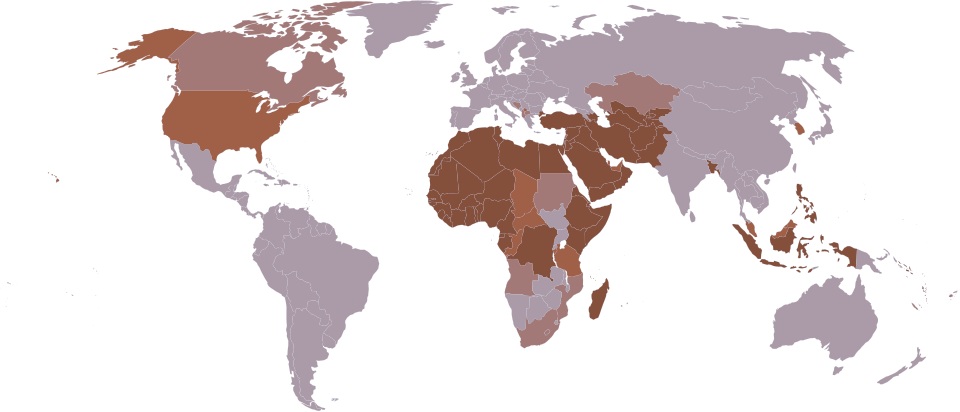
A map of the world with each country shaded by how frequent male circumcision is. From uncommon (lightest shaded regions) to somewhat common to common and very common (darker shaded regions).
How is Circumcision Performed?
Typical procedure: A newborn circumcision is usually done during a brief office visit. In the clinic, the baby is positioned on a special padded board or strapped down, with usually no family members allowed in the room (as opposed to our clinic where the parents can be present). The provider injects a small amount of local anesthetic (often at the base of the penis) to numb the area. A sterile clamp is placed around the foreskin to protect the glans (head) of the penis. The extra foreskin is then surgically removed with a scalpel or surgical scissors. Finally, a dressing is applied to help the wound heal, and we have an optional skin glue that we use to minimize bleeding in the clinic and at home, and also helps with inflammation and pain .
Most newborn circumcisions take only a few minutes once anesthesia takes effect. Older infants and toddlers can also be circumcised, though it typically requires more preparation (and sometimes mild sedation) because they are more aware. For school-age children and adults, circumcision is usually done under general anesthesia for comfort. Our clinic specializes in techniques that minimize or avoid general anesthesia even in older boys, by using advanced numbing and careful technique. In every case, Dr. Nourparvar focuses on a quick, precise removal of the foreskin.
Key points of the procedure:
- Restraint: In many clinics the newborn is placed on a restraint board (“circumcision board”) to keep him still. In our clinic, we prioritize comfort: we do not strap the baby down. Instead, one parent can hold the baby gently while another staff member provides support and distraction. Having loving arms on either side calms most infants.
- Anesthesia: Local anesthesia is given to completely numb the area. Often a topical numbing cream (like EMLA lidocaine/prilocaine) is applied at home or in the clinic before to further reduce needle pain. While the anesthetic is working, the baby may feel pressure or pulling, but should not feel sharp pain. If any fussing occurs, it’s usually from being held still, not from actual pain.
- Incision: With the clamp in place, the foreskin is carefully cut away. This exposes the glans, which was protected under the device.
- Dressing: After cutting, the area is covered with a special dressing. This keeps the wound moist and prevents sticking to the diaper. (If a Plastibell ring was used, no gauze is wrapped; instead, the plastic ring remains on the penis and falls off on its own in about a week- this method is not offered in our clinic and can be uncomfortable and painful for the child).
Because infants heal so quickly, our procedure is straightforward. The American Academy of Pediatrics notes that serious complications are extremely rare. The most common minor issue is a little bleeding that usually stops on its own or with gentle pressure. After a proper newborn circumcision the boy can urinate normally immediately – he will not have pain when peeing, since the urethra was not touched.
Pain Management and Comfort
The biggest concern for parents is usually pain. It’s important to know that modern newborn circumcision is made as comfortable as possible. If proper anesthesia is used like in our clinic, the baby does not feel sharp pain during the cut – only gentle pressure or tugging.
What we do:
- Topical numbing cream: Parents apply a lidocaine-based cream about 30 minutes-one hour before the appointment or we do it here in the office. This numbs the skin so that the injection to block the nerves is virtually painless.
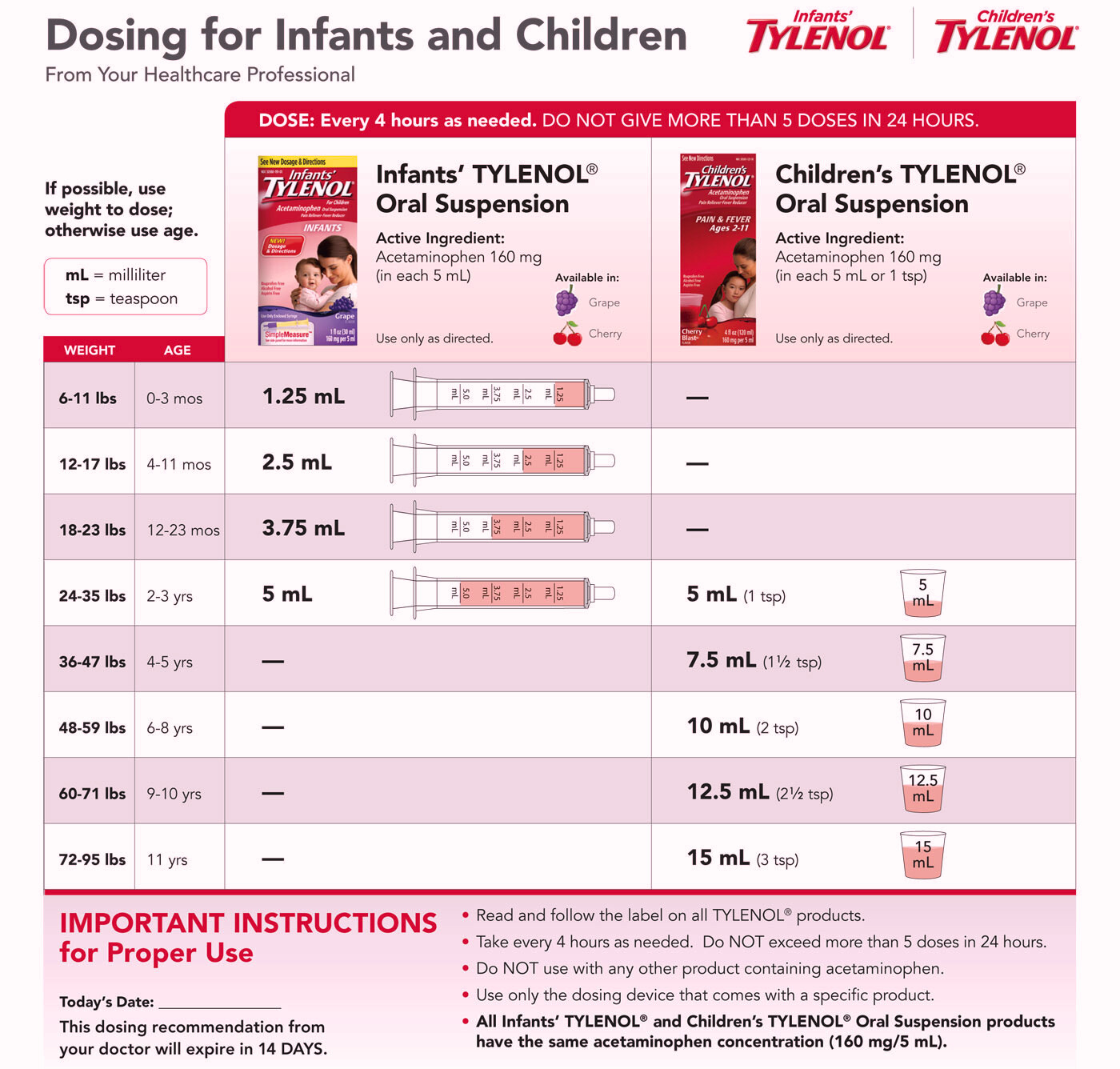
- Oral Tylenol: Giving an age and weight-appropriate dose of infant Tylenol about 30–60 minutes before the procedure helps reduce discomfort. This is a standard recommendation at our clinic and greatly soothes babies.
- Parental presence: Crucially, our clinic allows parents in the room. One parent (and often both parents, if desired) can hold and comfort the baby throughout the procedure. Hearing their voice and touch is very reassuring for infants. (By contrast, many hospital-based circumcisions require the baby to be on a board with staff only.)
- Gentle technique: Dr. Nourparvar’s training emphasizes steadiness and comfort– circumcisions are completed in a matter of minutes for newborns. A shorter procedure means the baby is distressed for less time.
After the cut, pain is minimal. Babies may groan briefly as they wake from the injection numbing (like with any shot), but they typically settle quickly. Breastfeeding (or bottle) right after often comforts infants. Importantly, babies cannot remember this event later in life, so any discomfort is short-lived.
As one parent wrote about Dr. Nourparvar’s clinic: “Very pleased with his work everything went smoothly. I would definitely recommend this doctor for a baby circumcision. My son healed just fine and he experienced no complications.” (Yelp review.)
Recovery and Aftercare
Most newborns recover remarkably quickly. In fact, a healthy baby is usually back to normal activity within 24 hours. By “recovered” we mean no ongoing pain or fussiness; he may be a bit sleepy and have a little extra fussiness for a day, but most are content with normal feedings. Complete healing of the incision, however, takes about 1 week. By then the raw area is covered with new skin.
What to expect: After the circumcision the penis often looks swollen and red. A yellowish or whitish fibrin membrane may form over the head; this is normal and peels away as the skin heals.
Aftercare instructions:
- Keep it clean: Change the covering (dressing or gauze) with every diaper. With our method, if skin glue is chosen, you will not have to change the dressing or gauze for 3-5 days since the skin glue will be the sealer.
- Use petroleum jelly or ointment: Apply a thin layer of petroleum jelly (Vaseline) or antibiotic ointment (depending on how many days after the procedure have passed) on the head of the penis and under the foreskin cuff each time you change the diaper if skin glue is not chosen. This prevents the diaper from sticking to the wound.
- Prevent irritation: Ensure the diaper is snug but not too tight. You can fold back the top of the diaper so it doesn’t rub against the tip.
- Pain relief: Give infant Tylenol (acetaminophen) for the first 24 hours as instructed – typically every 4-6 hours if the baby seems uncomfortable. Many babies fuss a bit at diaper changes; Tylenol can make them much more comfortable.

In our clinic, we provide full instructions and Dr. Nourparvar is available for any questions the parents may have (often just a phone or email check) and usually occurs 3-5 days after the procedure to make sure healing is on track.
Addressing Common Concerns
- Will it hurt my baby? As noted, with proper anesthesia the baby feels no sharp pain during the cut. Afterward, he might be fussy, but this is normal and manageable with Tylenol and soothing. Our clinic follows best practices (numbing cream, acetaminophen, numbing injection, pacifier) to ensure discomfort is minimal.
- Is it safe? When performed by an experienced doctor, like Dr. Nourparvar, in a clean setting, circumcision is very safe. Complication rates are quite low (only a few percent, usually minor bleeding). Long-term, children circumcised as infants do not have more problems – in fact they often have fewer issues with foreskin infections or phimosis later.
- What about anesthesia? Newborns typically do not need sedation beyond local anesthesia. Dr. Nourparvar is one of few clinicians who can safely circumcise even older infants, children, and teens without general anesthesia, using advanced techniques. Avoiding general anesthesia reduces risk and speeds recovery.
- Will urination be painful? No. Since the urethra is untouched by the circumcision, babies urinate normally and comfortably afterwards. You may see some dribbling of fluid on the bandage for the first few days; this is normal and not a problem.
Why Choose Dr. Nourparvar’s Clinic?
Not all circumcision services are the same. At many traditional clinics or hospitals, the baby is taken from parents and fastened to a board. In contrast, our clinic is family-centered: parents stay with the baby the whole time, and we never strap an infant down. Your baby can be held by mom, dad or another loved one while Dr. Nourparvar works. Having two caring people comforting the baby (for example, one holding a pacifier or toy and the other gently holding the baby) greatly eases stress.
We also emphasize speed and comfort. Dr. Nourparvar is extremely efficient – most newborn circumcisions here take only about 5 minutes from start to finish. By comparison, older children’s procedures in some offices or hospitals can take an hour or more, especially once anesthesia time is added. Our rapid technique means less time for crying and a quicker return to calm.
Preparation and pain control: Unlike a rushed “quick snip” approach, we take 60–90 minutes of prep to make everything smooth. Before your visit, we’ll guide you on how to feed the baby and apply numbing cream, or apply the numbing cream in the office with you. When you arrive, we can review aftercare and answer questions so you feel informed. We give Tylenol beforehand and keep the atmosphere soothing. This pre-planning is why many parents say our babies are remarkably relaxed during and after the procedure.
Expertise and volume: Dr. Padra Gad Nourparvar, D.O., is double-trained as both a Board-certified family physician and a traditional Jewish mohel. He has 10+ years of experience and has performed thousands of circumcisions in hospitals, clinics, and even at home. He trained under one of California’s most respected obstetric circumcision specialists at Long Beach Memorial Hospital. Because of this expertise, he performs more circumcisions in a week than many urologists do in a year. His high volume means a very practiced hand – helping minimize complications and ensure consistent results.
Advanced techniques: We use the latest tools and methods (such as specialized clamps and suture-free techniques) to make the procedure as safe and painless as possible. For older boys, Dr. Nourparvar often uses a Shang Ring or similar device and no stitches, allowing faster healing. Most importantly, he avoids general anesthesia unless absolutely necessary. This combination of technology and skill yields better cosmetic results and quicker recovery.
Family-friendly setting: Our clinic is conveniently located in the Cedars-Sinai Medical Office Tower in Los Angeles. We understand parents’ anxiety, so we explain every step and make sure you’re comfortable. After the circumcision, you leave together — there is no time in recovery or observation away from the baby. Parents often comment on how reassured they feel being able to hold their newborn immediately afterward.
Ritual circumcision: In addition to standard infant circumcisions, Dr. Nourparvar is also a certified mohel. He can perform a Jewish Brit Milah (ritual circumcision) or a non-ritual newborn circumcision in the Los Angeles area upon request. Whether you are inquiring about a traditional ceremony or a simple medical procedure, he is available for home or hospital visits for cultural or religious events.

For all these reasons, Dr. Nourparvar offers a unique blend of expertise and empathy. Compared to many clinics, our families benefit from:
- Parental presence: You never have to be separated from your baby.
- No restraints: We hold babies gently; we do not strap them to boards.
- Top pain relief: Pre-procedure numbing cream and Tylenol, plus local anesthesia.
- Quick and expert care: Circumcisions completed in minutes by a specialist with thousands of cases.
- All ages, no general anesthesia: Even older infants and teens can often be circumcised here without the risks that general anesthesia holds.
- Comfortable recovery: Parents care for the baby immediately afterwards, with full prep and aftercare guidance.
Location and availability: Dr. Nourparvar practices in Los Angeles and is licensed in California. His main clinic is in the Cedars-Sinai Medical Office Towers (8631 W. 3rd St, Suite 545e, L.A.). We see newborns as well as older children for circumcision. Because of his training and experience, he can also accommodate in-hospital or in-home circumcisions upon request. For more information or to schedule, visit DrMohel.com or call our clinic.
Summary: Pediatric circumcision is a short procedure with well-documented benefits and very low risk. At our clinic, we aim to make the experience as gentle as possible: comfortable for the baby and reassuring for the parents. By staying with your child, using advanced numbing techniques, and working efficiently, we provide a superior circumcision experience. If you’re considering circumcision for your son, please reach out or visit our website to learn more or schedule a visit.
Recent Comments