

Male circumcision rates vary widely around the world. The United States falls in between: roughly 75–80% of men aged 14–59 are circumcised. This high rate reflects historical cultural, religious, and medical practices. Teen circumcision (performing the procedure during adolescence) is somewhat rare in the U.S., but some families choose it later for medical, cultural, or personal reasons.
Parents or teens may consider this procedure for various reasons, which we discuss below. Because circumcision is elective, guidelines urge physicians to provide balanced information so families can make an informed choice.
Why Consider Circumcision in Adolescence?
Teenagers or their parents often request circumcision to address medical issues or personal concerns. Common medical indications include:
- Phimosis (a tight, non-retractable foreskin): This can cause pain, difficulty urinating, or infections. Circumcision effectively cures phimosis.
- Paraphimosis (when a tight foreskin gets stuck behind the glans): This is a medical emergency; circumcision prevents recurrence.
- Recurrent balanitis/balanoposthitis (inflammation of the glans and foreskin): Teens with frequent infections may benefit, as circumcision removes tissue where infections often hide.
- Painful erections or intercourse: A tight or scarred foreskin can pull and cause pain during erections or sex; circumcision removes that source of pain.
- Urinary tract infections (UTIs): Circumcision reduces UTI risks.
- STD reduction: Studies show circumcised men have a 40–60% lower risk of acquiring HIV in high-prevalence settings, and lower rates of HPV and some other STDs.
Others cite hygiene and aesthetics as reasons. Removing the foreskin can make genital hygiene easier for some teens. Cultural or religious beliefs can also play a role. For example, a teen born to a Jewish or Muslim family who was not circumcised as an infant might have the procedure before religious adulthood. In some cases, social factors (peer norms, personal preference, or transgender transition) might influence the choice.
Importantly, circumcision is completely optional. Families should weigh the pros and cons with a qualified provider. A helpful perspective is that about 80% of U.S. men are already circumcised, so teen circumcisions are comparatively rare. Still, demand is growing in some areas as fewer boys are circumcised at birth today. In fact, a PLOS Med article observed that while infant circumcision has declined, some intact teens seek circumcision “for cosmetic, hygiene, or religious reasons.”
Regardless of the reason, circumcision is a one-time surgery with permanent effects. It does prevent phimosis and balanitis, and does reduce some infection risks.
How Conventional Circumcision Is Performed
When a teen undergoes traditional circumcision, the procedure typically follows these steps (described in health resourceshealthline.comhealthline.com):
- Anesthesia: The teenager is given medication to prevent pain. This is usually a combination of sedation and local anesthesia injected around the penis. (Some practices may use general anesthesia to put the patient fully asleep, but expert providers often achieve full numbness with local/regional blocks to avoid the risks of general anesthesia.)
- Prep: The penis is sterilized and secured (often with a clamp or forceps) to stabilize it.
- Marking & Incision: The surgeon measures the foreskin that will be removed, marking the cut. A scalpel is used to remove the marked foreskin tissue. The doctor is careful to avoid the underlying glans and urethra.
- Hemostasis: Any bleeding vessels may be cauterized (sealed with heat) or clamped.
- Closure: The remaining edges of skin (skin and mucosal lining) are aligned and closed with fine dissolvable sutures. These stitches hold the skin taut as it heals. A protective dressing (gauze, bandage, or special wrap) is applied.
- Recovery Room: After the 30–60 minute procedure (rarely up to 90 minutes), the teen is observed until the anesthesia wears off. If all is well, discharge to home usually occurs the same day.
Risks and Complications With Conventional Procedure
Any surgery carries risk, and circumcision is no exception. Parents should be aware of possible outcomes:
- Bleeding: Some bleeding is expected right after surgery, but excessive bleeding (for example, bleeding that soaks through dressings) can occur. Clotting problems must be ruled out beforehand. In a teen circumcision, moderate bleeding can usually be managed in-office with pressure or an additional stitch.
- Infection: Any incision can become infected if bacteria enter. Signs include increasing redness, warmth, pus, or fever. Newborn circumcisions almost never get infected if kept clean, but the risk is higher in older patients with different skin flora.
- Wound-healing problems: Inadequate removal of adhesions or improper stitching can lead to skin bridging or phimosis of the remaining skin. Conversely, too much skin removal can expose too much penile shaft; although this usually heals on its own, it can look alarming initially. Scars may form along the incision. Keloid scars or granulomas (small bumps) are rare but can occur. Stitches that don’t dissolve properly or heal in lumps (inclusion cysts) can occur.
- Anesthesia risks: Reactions to anesthesia are listed as common riskshealthline.com. Local anesthetics can cause temporary issues (like slow heart rate or allergic reaction, though rare). General anesthesia carries its own risks (nausea, aspiration, very small risk of serious complications). Avoiding general anesthesia (by using local blocks only) removes those general anesthesia risks.
- Pain and trauma: After a sutured circumcision, teens often experience several days of moderate pain and swelling. Recovery is typically 2–3 weeks before full return to normal activity. During the first week, the glans can be raw, red, and tender. Some boys find it emotionally distressing to have a sensitive, healing penis that may look bruised or bandaged. Sutures (even dissolvable ones) can irritate and stick out, causing additional discomfort. One pediatric urology resource notes that after circumcision (or circumcision revision), “the head of the penis can be raw and inflamed for a week” and stitches remain for 1–2 weeks.
Long-term issues are rare but should be mentioned for traditional methods: Foreskin can reattach improperly if not fully removed, or create an unsightly bridge of skin.
Our Shang Ring (Suture-Free) Circumcision
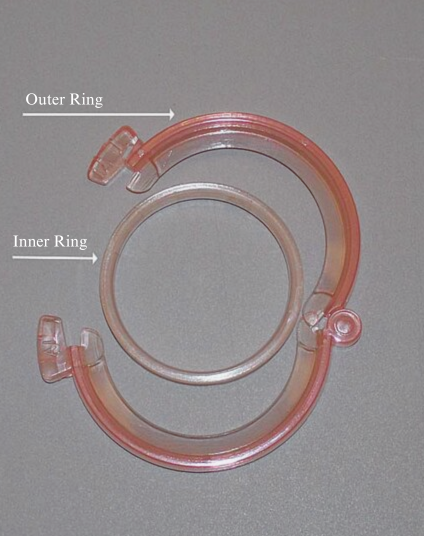
A modern alternative to the scalpel-and-stitch technique is the Shang Ring device (and similar ring devices). This is one of the methods used at Dr. Nourparvar’s clinic. The Shang Ring is a sterile, two-part plastic ring system that clamps the foreskin to stop bleeding. The foreskin is then trimmed away along the ring’s edge, and the ring maintains pressure on the cut edge during healing. Crucially, no stitches are needed. After about 7 days the ring is removed, after which the penis looks circumcised with minimal scarring.
Benefits of a suture-free method:
- Lower risk of complications: Because the ring holds the skin edges together, there is almost no bleeding during surgery and no stitches to irritate the wound. Eliminating sutures means no suture-related infection, suture allergy, or stitching errors. In fact, studies in China (over 600,000 cases) found Shang Ring circumcision safe and well-tolerated. The device is FDA-approved in the U.S. for teens and adults.
- Less pain and discomfort: Many patients report that Shang Ring circumcision is faster and less painful. The ring clamps and numbs the tissue as it works, resulting in very minimal bleeding and discomfort. After the ring is removed, healing is typically smoother without tight stitch lines. The absence of sutures also means less sharpness or pulling against underpants. Overall, boys often say they had less post-op pain and irritation than expected.
- Faster and easier procedure: The Shang Ring method is quicker to perform. Placement and removal are straightforward, often taking only 10–15 minutes each (compared to 30–60 minutes for sutured surgery). Because there are no stitches to place, the procedure can be done with simpler anesthesia. In many cases, like our clinic, only local anesthesia is needed. That means the teen does not need to be fully ‘put to sleep’; he stays conscious but comfortable. This speeds up recovery and reduces anesthesia risk.
- Neater cosmetic result: The rigid inner ring acts as a cutting guide, so the circumcision edge comes out very even and symmetrical.There are no scar “bumps” from stitches. The eventual scar (where the inner mucosal layer meets the shaft skin) heals into a fine line. Clinicians note that this often yields a cleaner-looking outcome than a hand-stitched repair.
- Quicker healing: The ring is removed after about a week. By two weeks the circumcision site is usually well on its way to normal looking skin.This compares favorably to the 2–3 weeks typical recovery of a sewn circumcision. Most teens can return to sports and full activity after about 2–3 weeks with the ring method, whereas sutured patients often need a longer “gentle” period.
One comprehensive review notes that the Shang Ring dramatically “eliminates the need for sutures.” By avoiding stitches, the common suture-related issues (infection, uneven healing, stitch line irritation) are largely avoided. In short, the Shang Ring provides a faster, simpler, and more comfortable circumcision experience.
Our Clinic Also Offers Sutureless Modified Gomco Clamp Technique
At our clinic, we are proud to offer a sutureless circumcision technique using the Modified Gomco Clamp—a method that blends safety, precision, and faster healing. This advanced approach eliminates the need for stitches, which significantly reduces recovery time and minimizes scarring.
The Modified Gomco Clamp is a highly refined and sterile device that securely holds the foreskin in place during the procedure, allowing for a clean and controlled removal. Unlike traditional circumcision methods that often involve suturing and longer downtime, this technique is designed to be minimally invasive, virtually less blood is noted, suture-free and associated with less post-operative discomfort.
Patients typically report a quicker return to normal activities and more cosmetically appealing results compared to older techniques. This method is ideal for those seeking a modern, clinically proven circumcision experience with a strong track record of safety and efficacy.
Dr. Nourparvar has extensive training in advanced sutureless circumcision techniques and performs the procedure with a focus on patient comfort, hygiene, and optimal healing. Whether you’re considering circumcision for medical, cultural, or personal reasons, our clinic provides compassionate care in a professional setting.
How Our Clinic’s Method Helps
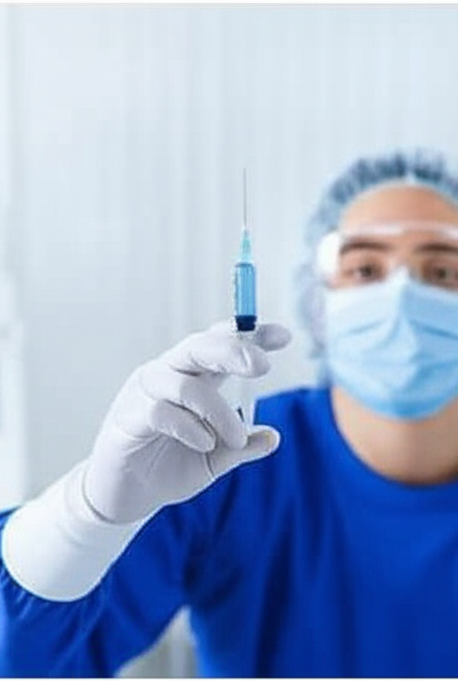
At Dr. Nourparvar’s specialized circumcision clinic in Los Angeles, every part of the procedure is optimized for comfort and safety. Using techniques like the Shang Ring or modified Gomco clamp and advanced local anesthesia, we avoid the downsides of traditional surgery. For example:
- We use local anesthesia so patients remain awake but pain-free. This means no “risky” general anesthesia is needed at any age, which minimizes recovery time and anesthesia side effects.
- We never use sutures. Instead, our Shang Ring method or modified Gomco clamp method provide a precise cut. Patients benefit from less bleeding, less swelling, and less pain afterward.
- Because Dr. Nourparvar is highly experienced (trained by top urologists and obstetricians), procedures are done smoothly and efficiently. Many clients note he has a “steady hand” and completes the circumcision very quickly. Routine cases may be completed in minutes once the ring or clamp is placed.
- No protruding stitches means no edge of thread rubbing against clothing. Teens often remark on how reassuring it is not to deal with stiff stitches poking out – they report a more comfortable healing process. As one patient put it, using a suture-free method feels “like a much gentler experience.”
- We emphasize patient comfort. The goal is a natural, even appearance. Patients regularly comment that the final result looks neat. This contrasts with some rushed or inexperienced providers whose sutures can leave uneven or bulky scar lines.
Because of these methods, our teen patients typically heal faster and with less angst. Most boys can shower within a few days, with minimal dressing changes. Fewer follow-up visits are needed, since we don’t have stitches to remove or inspect. In comparison, after a standard sutured circumcision, the penis may be “raw and inflamed” for a week or more.
Real Patient Testimonials
Our families’ experiences speak volumes. Parents and teens have praised the care and outcomes on sites like Yelp. For example:
“No complaints about the doctor. Procedure went great recovery going good. Waiting room is quite so it gives you a chance to relax before going in.” – a grateful patient’s review
“We chose Dr. Nourparvar to perform our son’s circumcision after a careful selection process which included multiple recommendations from friends and people within our community. From the first call to the office you could notice the level of professionalism. Prior to the ceremony we received a very detailed email about pre and after care. We had a preliminary call with the doctor during which he was very patient and informative…” -a parent’s review
These testimonials highlight that we deliver on comfort and quality. The no-stitch approach is frequently cited as a relief for teens. Many patients say they appreciated how calmly the doctor explained each step and how little discomfort they felt afterwards.
About Dr. Nourparvar and Our Clinic
Dr. Padra Gad Nourparvar is a California-licensed urologist and mohel with over 10 years of experience in male circumcision. He is based in Los Angeles at the Cedars-Sinai Medical Office Towers. Dr. Nourparvar trained in the U.S. under leading obstetricians (including those who perform thousands of newborn and adult circumcisions yearly). He has performed thousands of circumcisions in clinics, hospitals, and homes. In fact, he often does more circumcisions in a single day than some general urologists do in a month.
We are one of the few practices nationwide offering suture-free Shang Ring or modified Gomco circumcisions for all ages. These advanced methods and Dr. Nourparvar’s skills allow for quicker, safer procedures and recovery. Unlike many clinics that require general anesthesia for teens or adults, we use safer local/regional anesthesia, making the experience much more comfortable. Our clinic also provides newborn circumcision – both non-religious (standard infant procedure) and Brit Milah (ritual) services – in the Los Angeles area.
Summary of Benefits at Our Clinic:
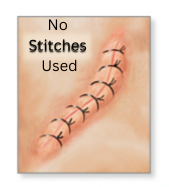
- Fast, minimally invasive procedure (many teens done in minutes).
- No scalpel cuts or stitches, so almost no visible scar and lower pain.
- Safer anesthesia (no full sedation needed).
- Experienced doctor who performs many circumcisions weekly.
We invite parents to visit our website for detailed information and FAQs, and to contact us with any questions. Our location in Cedars-Sinai Medical Office Towers provides a state-of-the-art surgical environment.
Conclusion
Teen circumcision is a significant, elective procedure. When done properly, it can resolve medical issues like phimosis or balanitis and may offer long-term health benefits (fewer infections and possibly lower STI risks. However, traditional surgery involves stitches and a healing period of a few weeks, which can be uncomfortable.
At Dr. Nourparvar’s clinic, we address these concerns with the latest technology and expertise. The Shang Ring method means no stitches, less pain, and quicker healing. Our board-certified doctor provides personalized care to ensure teens (and parents) feel informed and comfortable throughout the process.
If your family is considering teen circumcision, please weigh the pros and cons carefully and discuss them with your healthcare provider. When you’re ready, our clinic offers a consultation to answer questions about our method, recovery, and any concerns. Dr. Nourparvar and our team strive to make the experience as safe, gentle, and positive as possible – many teens and parents have told us it far exceeded their expectations.
For more information or to schedule an appointment, visit our website’s adult/teen circumcision page here. We are happy to answer questions about Brit Milah (ritual newborn circumcision) and non-ritual circumcision as well. Our goal is to ensure every family has reliable, up-to-date information and care they trust.
📍 Located at Cedars-Sinai Medical Plaza, Los Angeles
🌐 https://www.drmohel.com/ | (310) 807-6147
To learn more or schedule your same-day consultation and procedure, contact our office today.
Recent Comments